





Introduction
Prediabetes is more common than many people realize and more than one in three adults may already have it without knowing. The good news is that prediabetes can be reversed with the right lifestyle steps. In this guide, we’ll help you understand the early signs, risk factors, and practical prevention strategies anyone can start today.
1. What Is Prediabetes?
Prediabetes occurs when your blood sugar levels are higher than normal but not high enough to be diagnosed as type 2 diabetes. It’s the body’s early warning sign that your cells are becoming resistant to insulin.
Common diagnostic ranges:
A1C: 5.7% – 6.4%
Fasting glucose: 100 – 125 mg/dL
Oral glucose tolerance test: 140 – 199 mg/dL
Prediabetes does not mean you will definitely develop diabetes — but without action, the risk increases significantly.

2. Early Warning Signs of Prediabetes
Many people notice no symptoms at all, but some early clues include:
Feeling more tired than usual
Increased hunger, especially after meals
Unexpected weight gain around the belly
Darkened skin patches, especially on the neck or armpits
Increased thirst
Frequent urination
If you experience any of these signs, it may be time to get screened.
3. Who Is Most at Risk?
You may have a higher risk if you:
Are overweight or live a sedentary lifestyle
Are over age 45
Have a family history of type 2 diabetes
Had gestational diabetes
Have high blood pressure or high cholesterol
Are African American, Hispanic/Latino, Asian American, or Native American
Live with chronic stress or poor sleep
People in Houston — especially within underserved communities — often experience higher risk due to limited access to healthy food and healthcare resources.
4. How to Prevent Prediabetes From Progressing
Here are simple steps proven to make a difference:
✔ 1. Move 30 Minutes a Day
Walking alone can reduce diabetes risk by up to 50%.
✔ 2. Build a Balanced Plate
Fill half your plate with veggies, a quarter with lean protein, and a quarter with whole grains.
✔ 3. Reduce Sugary Drinks
Swap soda and sweet teas for water, flavored water, or unsweetened tea.
✔ 4. Manage Stress
Practices like deep breathing, journaling, or stretching can stabilize blood sugar.
✔ 5. Get Regular Screenings
Early detection = early prevention.
5. When to Talk to a Healthcare Professional
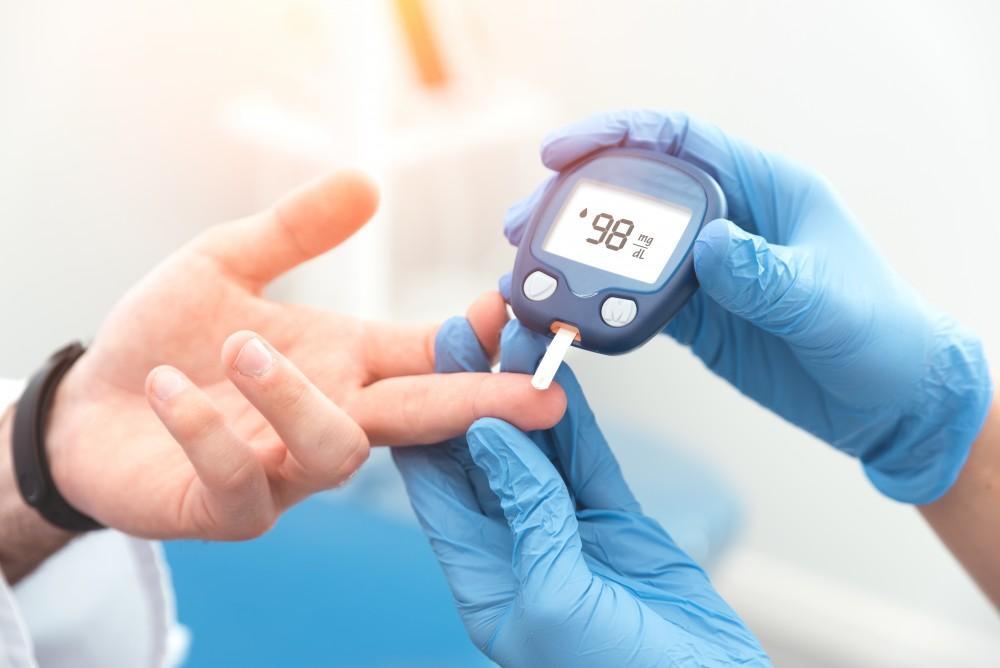
If you’ve noticed symptoms or have several risk factors, schedule an A1C test. Many clinics and community centers in Houston offer free or low-cost screenings.
Conclusion
Prediabetes is a crucial warning sign but with knowledge and action, you can take control of your health. Lifestyle changes today can protect your tomorrow.